
When Escape Was the Only Door
Not all escapes look reckless
12/23/20251 min read
Sometimes escape looks like distraction.
Sometimes it looks like work.
Sometimes it looks like desire, alcohol, scrolling, or staying in relationships that offer familiarity instead of care.
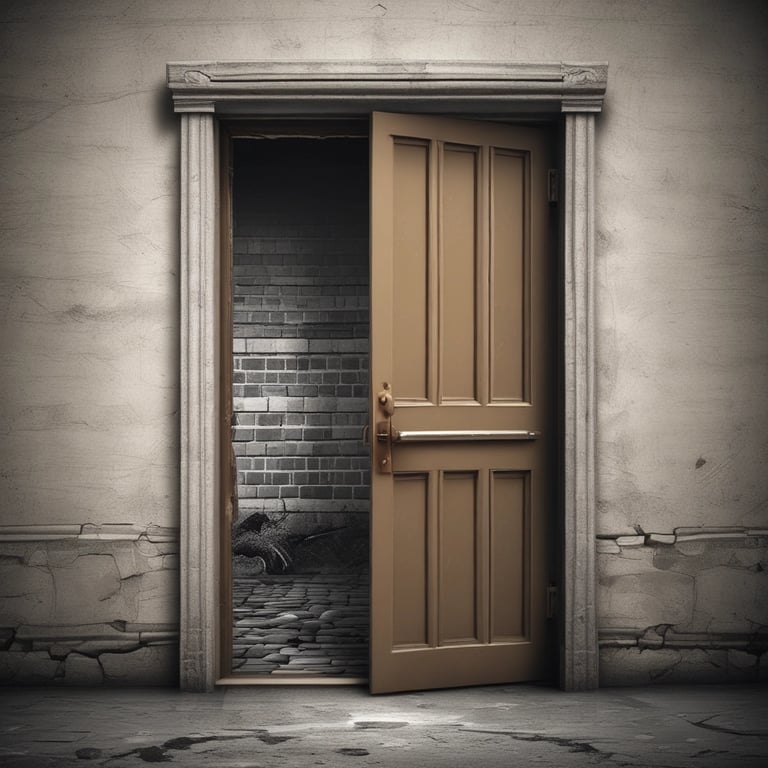
For many, escape was not a choice—it was the only door left open.
When environments become tight with expectation, when love feels conditional, the body looks for relief wherever it can find it. This is not moral failure. It is instinct. It is the nervous system searching for air.
There are people who learned early that feeling too much was dangerous. That asking questions caused trouble. That honesty had consequences. So they learned other ways to survive—ways that brought momentary peace, even if they carried long-term cost.
Shame often follows these coping paths. But shame misunderstands their origin. These behaviors did not come from selfishness. They came from needing something—connection, safety, release—when none was offered.
The quiet truth is that many people are still grieving what they never received. Not dramatic losses, but subtle ones: unconditional welcome, emotional safety, permission to be fully human.
Healing does not demand purity. It does not begin with correction. It begins with gentleness toward the parts of you that did whatever they could to keep you alive.
There is a softness that appears when judgment loosens its grip. When people stop asking, “What is wrong with me?” and begin wondering, “What happened to me?”
This shift does not solve everything. But it creates room. And room is where healing starts.
Some films understand this pace. They do not condemn escape or glorify it. They simply show it as part of a larger human story.
Abrogation carries this tenderness. It allows survival to be seen without punishment.
When the moment feels right, you may want to spend time with that story.